


Ki Tisa – Dvar Torah
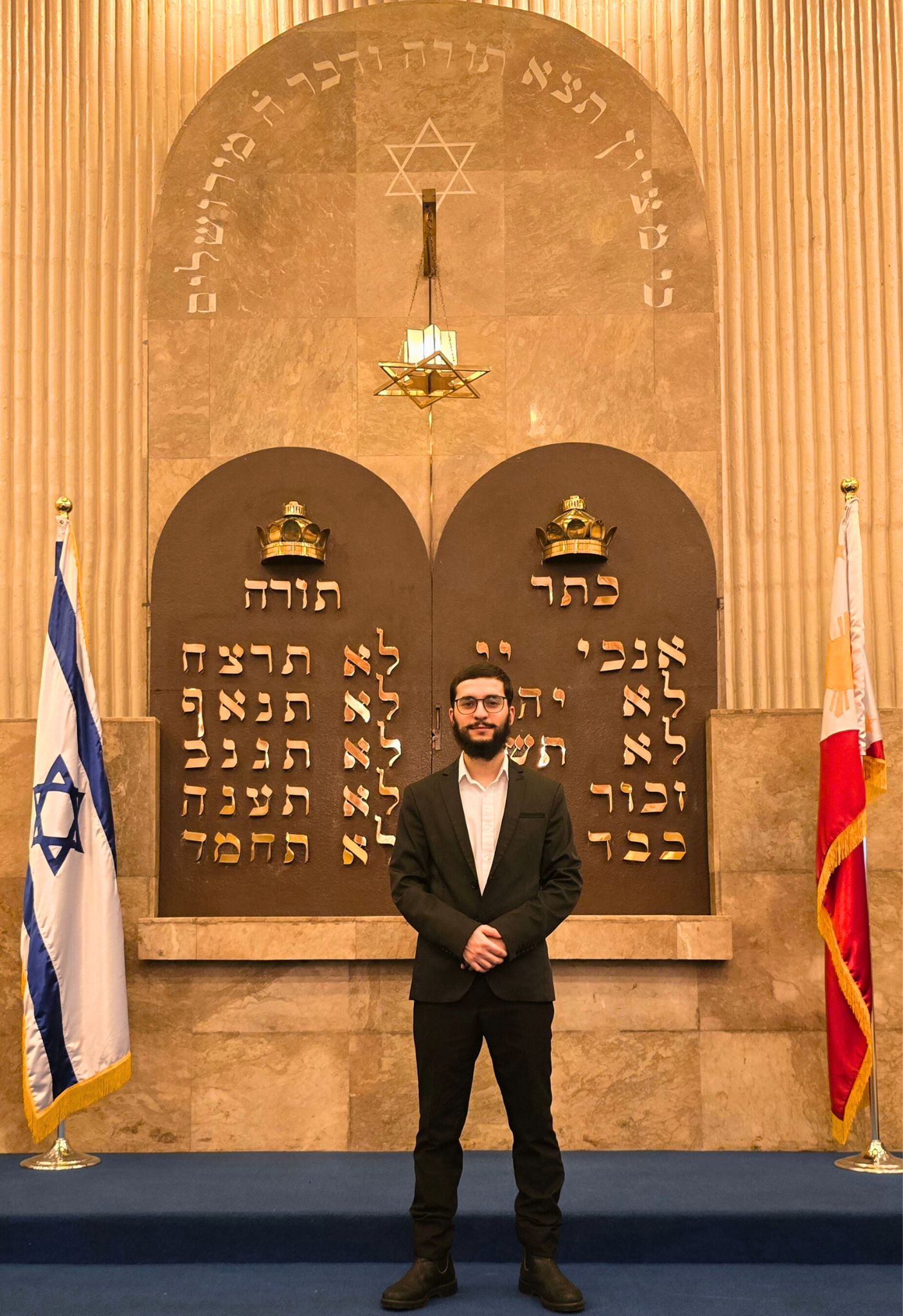
Parashat Ki Tisa talks about ups and downs in life, about mistakes and about the chance to start over. The sin of the Golden Calf shows us that even after seeing great miracles, people can still make mistakes, especially when patience runs out and anger takes over. But Hashem always gives us a way to fix things, and this is also the lesson of Parashat Parah: as long as the candle is burning, there’s a chance to correct, return, and strengthen the heart.
To illustrate this, I’ll tell a Hasidic story: One of the great lights of Hasidism, the Baal Shem Tov, talked about a student who studied Torah for many years but at first could not really understand it. He felt that reaching spiritual insight was impossible, like every step forward led to a fall. בס"ד 3 One day, while sitting by a burning candle and looking at its small but steady light, the Rebbe said to him: “Look at the candle, as long as it’s burning, you can change the direction of the flame, you can fix the path. For you too, as long as your heart is open, you have the chance to start over.”
The student returned to his studies with a new understanding, every mistake, every fall, is not the end. It’s like the breaking of the first tablets, a painful moment, that leads, if we use our inner light, to new tablets, new Torah, and deeper understanding.
This is exactly what we see in Parashat Ki Tisa, after the sin of the Golden Calf and the breaking of the first tablets, Moshe prays, asks for mercy, and receives new tablets. This shows us that a fall can become an opportunity. Hard moments prepare us to receive the Torah properly, with awareness, recognition, and repentance
So, the message today is simple: as long as the candle is burning, in any situation, after any fall, we have the chance to fix things, reconnect, and return to the light. Just like the Baal Shem Tov’s student learned from the candle, we too see that a break is not the end, it’s a new beginning. Thank you and Shabbat Shalom.
פרשת כי תשא
פרשת כי תשא מדברת על נפילות ותיקון, על חטאים ועל ההזדמנות להתחיל מחדש. חטא העגל מראה שגם כאשר ראינו ניסים גדולים, אפשר לטעות – במיוחד כשהסבלנות נגמרת והפחד משתלט. אבל השם תמיד נותן לנו דרך לתקן, וזה גם המסר של פרשת פרה :כל עוד הנר דולק, יש אפשרות לתקן, לחזור ולחזק את הלב
כדי להמחיש את הרעיון הזה, אספר לכם סיפור חסידי
אחד ממאורות החסידות, ה'בעל שם טוב', סיפר על תלמידו שהלך ללמוד תורה במשך שנים, אך בהתחלה לא הצליח להבין את הלקח. התלמיד הרגיש שהשגה רוחנית גבוהה נראית לו בלתי אפשרית, כאילו כל צעד קדימה מוביל לנפילה. יום אחד, כשהתלמיד ישב ליד נר דולק בחדרו והביט באור הקטן א ך הקבוע שלו, אמר לו האדמו"ר: "תראה את הנר – כל עוד הוא דולק, אפשר לשנות את הכיוון של הלהבה, לתקן את הדרך. גם לך, כל עוד הלב שלך פתוח, יש לך הזדמנות להתחיל מחדש"
התלמיד חזר ללימודו, והפעם בהבנה חדשה – כל טעות, כל נפילה, אינה סוף העולם. היא כמו שבירת לוחות הברית הראשונים – רגע של כאב – שמוביל, אם נשתמש באור הפנימי שלנו, לקבלת לוחות חדשים, לתורה חדשה, להבנה עמוקה יותר
בדיוק כך גם בפרשת כי תשא – אחרי חטא העגל ושבירת הלוחות הראשונים, משה רבנו מתפלל, מבקש רחמים, ומקבל לוחות חדשים. זו דוגמא לנפילה שהופכת להזדמנות. הרגעים הקשים הם שמכינים אותנו לקבל את התורה באמת, מתוך מודעות, הכרה ותשובה
אז המסר שלנו היום הוא פשוט :כל עוד הנר דולק – בכל מצב, בכל נפילה – יש לנו אפשרות לתקן, להתחבר מחדש, ולחזור לאור .כמו שהתלמיד של הבעל שם טוב למד מהנר, כך גם אנחנו – השבר אינו סיום, אלא התחלה חדשה
Comments